Access Control Installation
Most Burlington properties — from the boutique retailers along Brant Street to the older commercial corridors near the waterfront — were built when a physical key was the only option. That era is over. Modern access control installation replaces traditional cylinders with keypads, proximity fobs, and electric strikes that let you manage who enters, when, and through which door — without cutting a new key every time staff turns over. Mountain Breeze Locksmith Burlington brings that technology directly to your door as a fully mobile service, available 24/7 across Burlington, ON.
Open 24 hours, 7 days a week · Licensed, bonded & insured
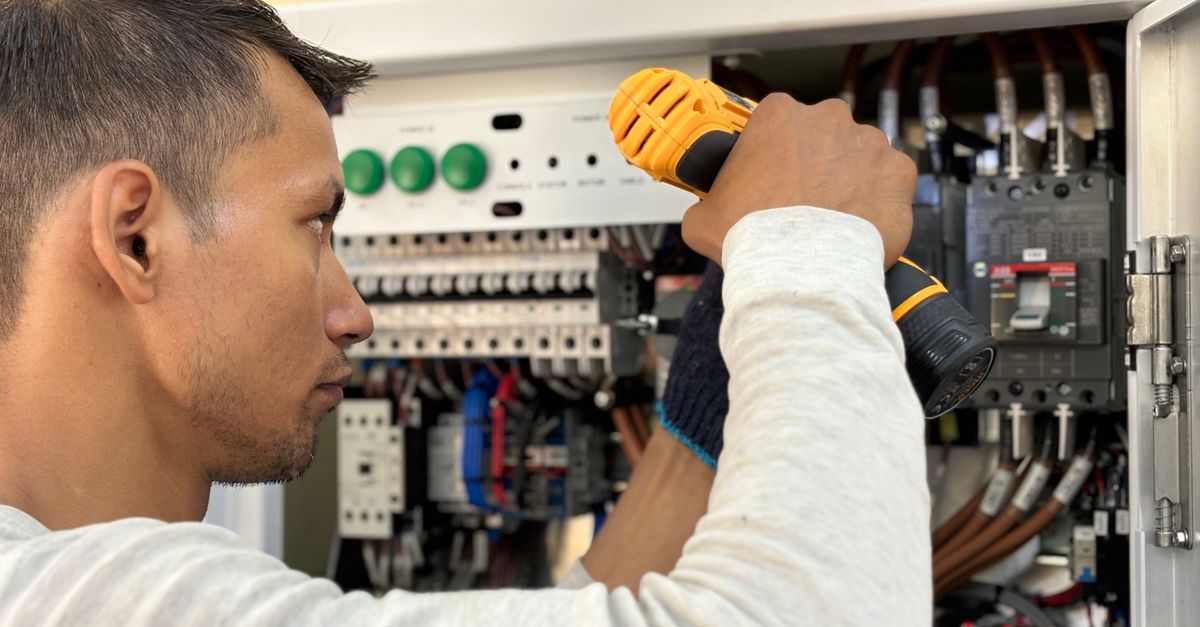
Whether you manage a single-door office in the Aldershot area or a multi-entry commercial building near the Mapleview Centre corridor, the right keyless entry setup starts with the right hardware in the right lock body. Our trained, insured technicians assess your existing doors before recommending any equipment, so you are never sold a system that does not match your frame, your door swing, or your day-to-day workflow. We confirm an exact up-front price before any work begins — no surprises on the invoice.
What we do
Available 24/7
Day, night, weekends and holidays — a real local locksmith answers and rolls a fully-stocked van.
Fast local response
Based in Burlington, we reach the Burlington area in well under an hour.
Insured & background-checked
Vetted technicians, up-front pricing, and no surprise add-ons when we arrive.
Damage-free entry
We pick and bypass locks the right way, so most lockouts are solved without drilling anything.
Keypads, Fobs, and Electric Strikes: How Access Control Installation Actually Works
Keyless entry is not a single product — it is a combination of three layers that must work together. The credential layer is what a user presents: a PIN entered on a keypad, a proximity fob held near a reader, or a mobile credential on a smartphone. The locking layer is the physical hardware that actually holds the door shut — most often an electric strike recessed into the door frame, a magnetic lock mounted at the top of the door, or an electrified mortise lock body built into the door edge. The control layer is the panel or cloud software that decides whether to release the latch when a credential is presented. Getting all three layers matched correctly is where the real skill sits, and it is why a professional commercial locksmith installation makes all the difference between a system that works reliably for years and one that fails on the first cold January morning.
For most Burlington commercial doors, we recommend starting with the locking layer. An access control mortise lock is the gold standard for high-traffic entries: the lock body is machined into a deep pocket in the door edge, giving it far greater resistance to kick-in or pry attacks than a surface-mounted deadbolt. The mortise body also integrates the latch, the deadbolt, and the electric release into a single cartridge, which keeps the door edge clean and the failure points low. We stock and install mortise lock access control units from proven commercial hardware lines, and we retrofit them into existing mortise pockets where the door already accepts that form factor — a significant advantage for Burlington's many older brick commercial buildings along New Street and Plains Road East.
Access Control System Installation for Commercial and Multi-Unit Properties
A single keypad on a back-office door is a very different project from a coordinated access control system installation covering a lobby, a server room, and two rooftop exit doors. Our team handles both ends of that spectrum and everything between. For small single-entry setups, we typically install a standalone keypad or fob reader wired directly to an electric strike or electrified mortise lock — no server required, simple to manage, and easy to expand later. For larger properties, we integrate readers into a networked panel that logs every entry event, lets managers add or delete credentials remotely, and can trigger alerts if a door is held open too long. We also handle door knob lock replacement as part of any access control retrofit when the existing knob hardware is worn or incompatible with the new electric release.
Burlington's commercial mix includes everything from ground-floor retail with aluminum storefront frames to older wood-frame office buildings with standard 1-3/4-inch steel doors. Each door type calls for a different installation approach. Aluminum storefront frames typically pair well with surface-mounted magnetic locks and a flush-mount keypad, while solid steel commercial doors are ideal candidates for a mortise lock access control retrofit that preserves the door's full security rating. Our technicians measure, template, and fit all hardware on-site — no subcontracting, no scheduling a second crew. If you need the work done after hours so your business stays open during the day, our 24/7 availability covers that too. Call (289) 906-8618 to schedule an assessment at a time that works for your operation.
Access Control System Repair and Replacement When the Existing Setup Fails
Keyless entry systems do fail — electric strikes wear out, fob readers lose their antenna, control panels suffer firmware corruption, and wiring connections corrode over Burlington winters. An access control system repair call is often more urgent than a standard lockout because a failed electric strike can leave an entire floor of staff locked out or, worse, leave a door that no longer latches properly. As a 24/7 mobile emergency locksmith service, we respond to those calls around the clock. Our technicians arrive with diagnostic tools to test the full circuit — from the panel output voltage down to the strike release coil — so we can tell you within minutes whether the problem is hardware, wiring, or programming. We carry the most common replacement components in the service vehicle, which means many access control system repairs are completed on the first visit.
When the existing hardware is beyond repair or simply too outdated to integrate with modern credentials, we move to access control system replacement. We document the existing wiring runs, confirm that the replacement unit matches the door prep, and transfer or reprogram all credentials before the old unit comes out — so there is no window where the door is unprotected. For buildings that have grown beyond their original single-panel setup, we also consult on scalable upgrades that can manage multiple doors under one interface. Every replacement project follows the same rule: we confirm the full scope and price before we touch the door.
What Sets a Skilled Commercial Locksmith Apart on These Projects
Access control is a crossover trade — it requires the mechanical precision of a trained locksmith and enough low-voltage wiring knowledge to run, terminate, and test a circuit correctly. Many general electricians are not familiar with the specific tolerances of a mortise lock body, and many security integrators subcontract the physical locksmithing to a third party. Mountain Breeze Locksmith Burlington keeps both skill sets in-house. Our technicians are trained in commercial door hardware, experienced with the most common access control platforms used in Southern Ontario, and insured for the work they perform. We treat every job — from a door knob lock swap to a full multi-door access control system installation — with the same methodical approach: damage-free fitting where the door allows, clean cable management, and a full function test before we leave the site.
Burlington properties near busy corridors like Fairview Street or the downtown core also benefit from a locksmith who understands local building stock. Older commercial units often have non-standard door prep — undersized mortise pockets, misaligned strike boxes, or frames that have shifted over decades. We account for those variables in our assessment, and we never quote a job without seeing the door first. If modifications to the frame or door edge are needed to fit an access control mortise lock properly, we explain exactly what is required and why before any cutting or chiseling happens. That transparency is what we mean when we say damage-free where possible — and when modification is unavoidable, we do it precisely and cleanly.
Frequently asked questions
What is the difference between an electric strike and an electrified mortise lock for access control?
An electric strike replaces the metal keeper in the door frame — when power is applied, it pivots open and allows the door latch to pass through, releasing the door without retracting the latch bolt. An electrified mortise lock is a full lock body machined into the door edge that integrates the latch, the deadbolt, and the electric release in a single unit. The mortise version offers higher security, a cleaner appearance, and is better suited to doors that already have a mortise pocket. Electric strikes are a faster retrofit for existing cylindrical locksets and are common on lighter-duty commercial doors. The right choice depends on your door prep, traffic volume, and security rating — our technicians will assess all three before making a recommendation.
How do you determine the price for an access control installation or repair?
The final quote depends on several factors: the type and number of doors involved, whether new door prep or frame modifications are required, the specific hardware selected (standalone keypad versus networked reader, electric strike versus mortise lock access control unit), the complexity of the wiring run, and the time of day the work is performed. Travel distance within the Burlington area is also factored in for mobile calls. We confirm an exact up-front price before any work begins, so you know the full cost before we pick up a tool. There are no hidden call-out fees added after the fact.
Can you install a keypad or fob reader on a door that already has a mortise lock?
Yes — in most cases an existing mortise lock body can be replaced with an electrified version that accepts a reader or keypad signal without changing the door prep at all. This is one of the most common upgrades we do on Burlington's older commercial buildings, where the mortise pocket is already cut to the correct depth and the door edge is already machined for that form factor. We measure the existing lock body first to confirm the replacement unit is compatible, and we carry several mortise lock access control bodies in the service vehicle to handle the most common sizes on the spot.
What happens if the power goes out — will the door lock or unlock?
That depends on how the system is configured. Electric strikes and electrified mortise locks can be wired as either fail-safe (power off means the door releases) or fail-secure (power off means the door stays locked). The correct setting depends on your fire code requirements, occupancy type, and security priorities. Exit doors on an egress path typically must be fail-safe so occupants can always leave — this is a code requirement, not just a preference. We discuss fail-safe versus fail-secure during the assessment and confirm the appropriate configuration for each door before installation. We also advise on battery backup options so access is maintained during brief power interruptions.
Do you offer emergency locksmith service for access control systems that have stopped working?
Yes. As a 24/7 mobile emergency locksmith service, we respond to access control failures at any hour — including nights, weekends, and holidays. A failed electric strike or a keypad that has stopped communicating with its panel can leave staff locked out or a door unsecured, both of which are urgent situations. Call (289) 906-8618 and describe the symptom — our technician will come to your Burlington location with diagnostic equipment and the most common replacement parts to get the door back to a secure, functioning state as quickly as possible.
Can you upgrade just one door at a time, or does access control have to be installed as a complete system?
You can absolutely start with a single door. Many Burlington businesses begin with their most vulnerable or most frequently used entry point — a rear loading door, a server room, or a staff-only back entrance — and expand from there. We install standalone units that work independently and can later be integrated into a networked panel as the system grows. The key is choosing hardware with an upgrade path built in, which is something we factor into every initial recommendation. A single-door access control installation today does not have to mean ripping everything out when you add a second or third door next year.